Setting a relaxed table begins with the meal, not with a diagram containing every piece of cutlery. If dinner is a bowl of pasta with a side salad served alongside it, the table does not need equipment for several courses that are not coming. Keep what makes eating comfortable and remove what only creates obstacles.
Build from the plate or bowl
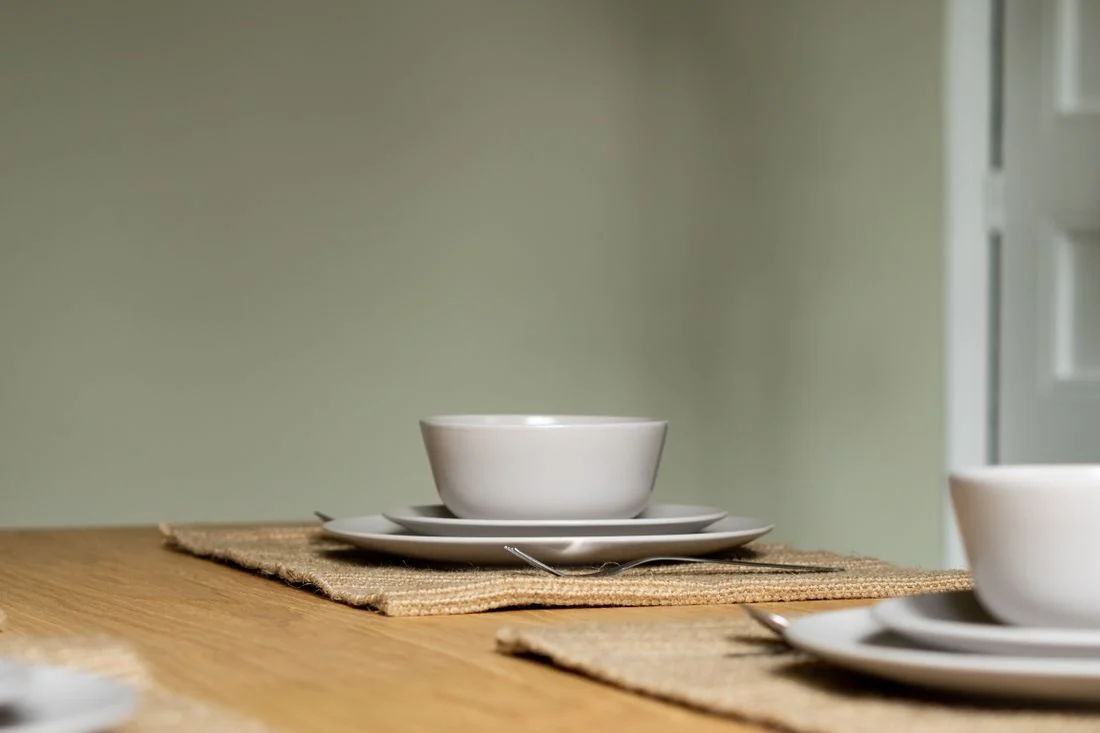
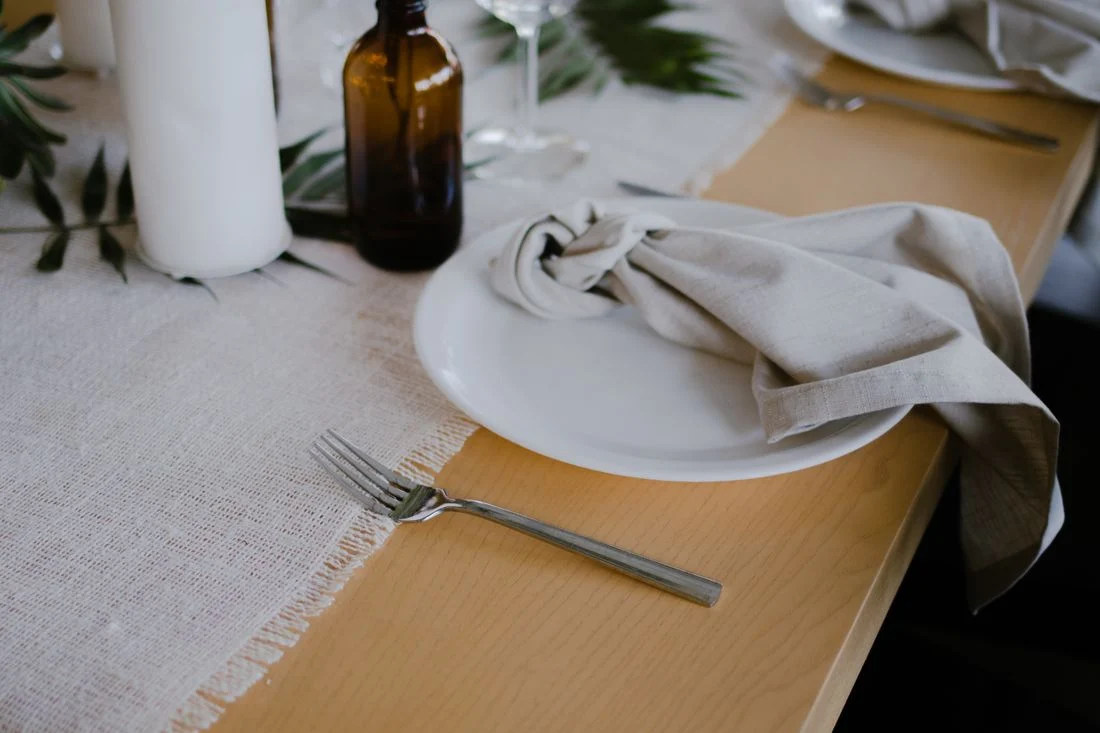
Place the main dish where the diner can reach it comfortably, then add the utensils the food requires. In a familiar Western arrangement, the fork sits to the left and the knife to the right with its blade toward the plate. A spoon belongs where it is needed for the menu. Emily Post's informal-setting guidance likewise ties additional pieces to what is being served.
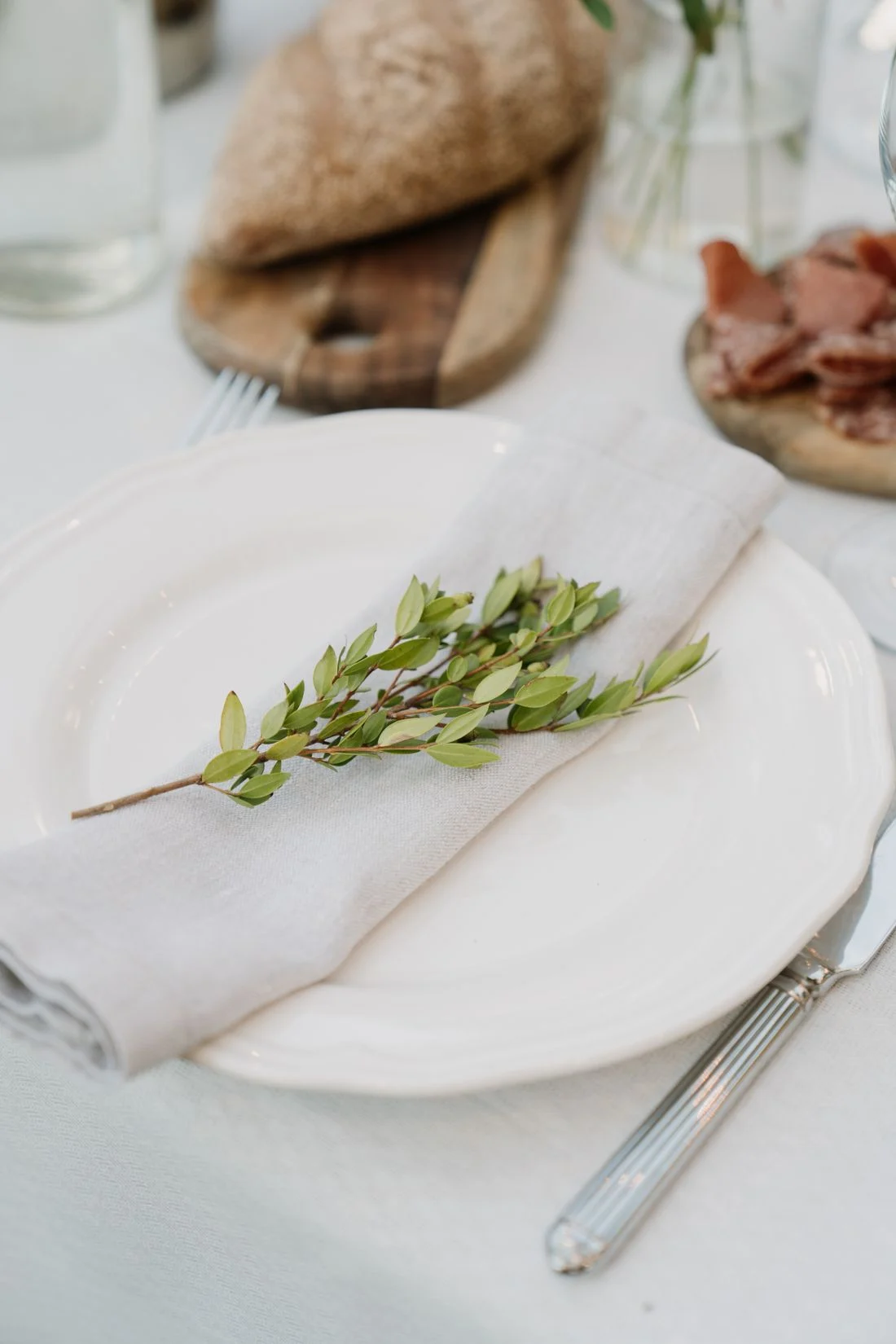
Put a drinking glass where it is visible and easy to reach without crossing over another setting. A napkin can sit beside the utensils or on the empty plate. There is no need to create an elaborate fold if a plain one suits the meal and the fabric.
Keep the middle useful
Allow space for shared items such as bread, water, or condiments, and move decorative objects if they interfere. A centerpiece should not force diners to lean around it to talk. On a small table, serve larger dishes from a counter or sideboard rather than fitting everything into the center.
If several courses are planned, add only the pieces that will be used. You can bring dessert utensils later instead of keeping them on the table through the entire meal. This reduces clutter and gives you fewer objects to rearrange when serving.
Let the details stay ordinary
Matching dishes are optional. Repeating one element, such as glasses or napkins, can connect different plates. The table should feel deliberate without suggesting that the household needs a new service for an informal dinner.
Before guests sit down, check stability and reach. A glass on the edge of a placemat or a plate balanced on a decorative layer is less welcoming than a simple, secure setting. Leave room for elbows and the natural movement of eating.
A relaxed table is successful when nobody has to guess which object can be moved or where to put an unused piece. The food, the company, and comfortable access should remain the center of attention.