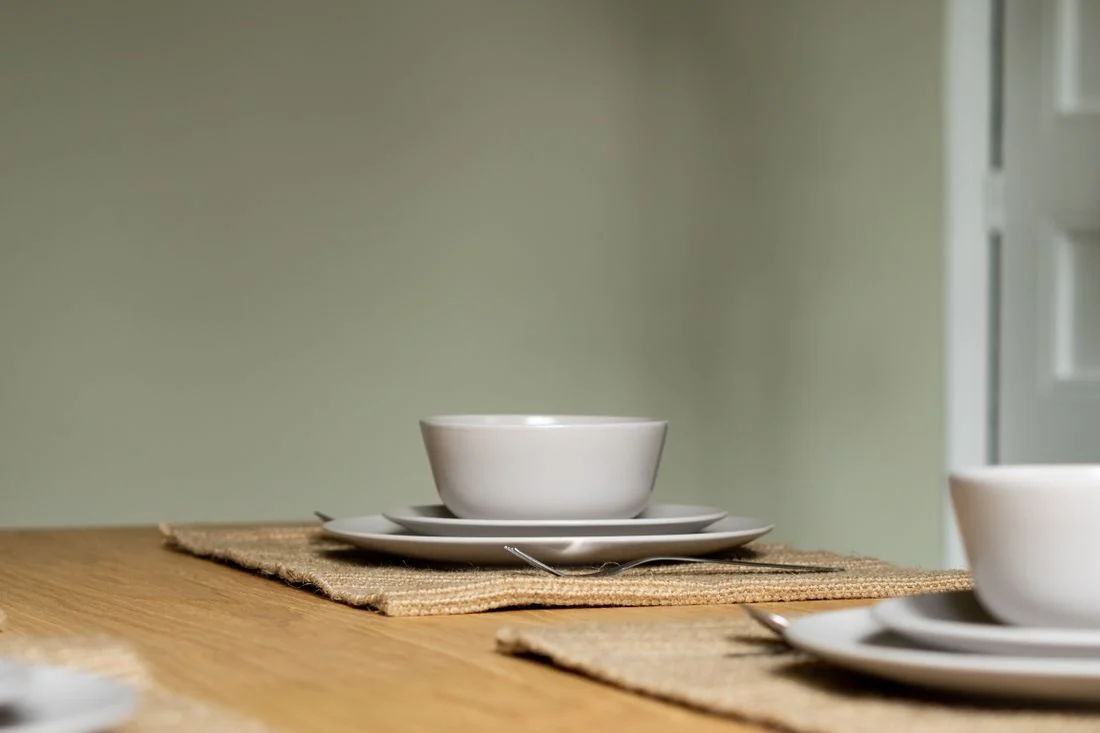
Placemats are often bought as small decorative objects, then discovered to be too large for the table once all the seats are set. Check the complete place setting first. The plate, utensils, glass, and the person's hands need to work together within the available space.
Make a full-size test
Cut paper to the listed mat dimensions and place one at each normal seat. Add your everyday plates and glasses. Sit down and pull the chair into its usual position. Look for overlapping corners, a mat hanging over a rounded edge, or cutlery forced into a narrow gap between settings.
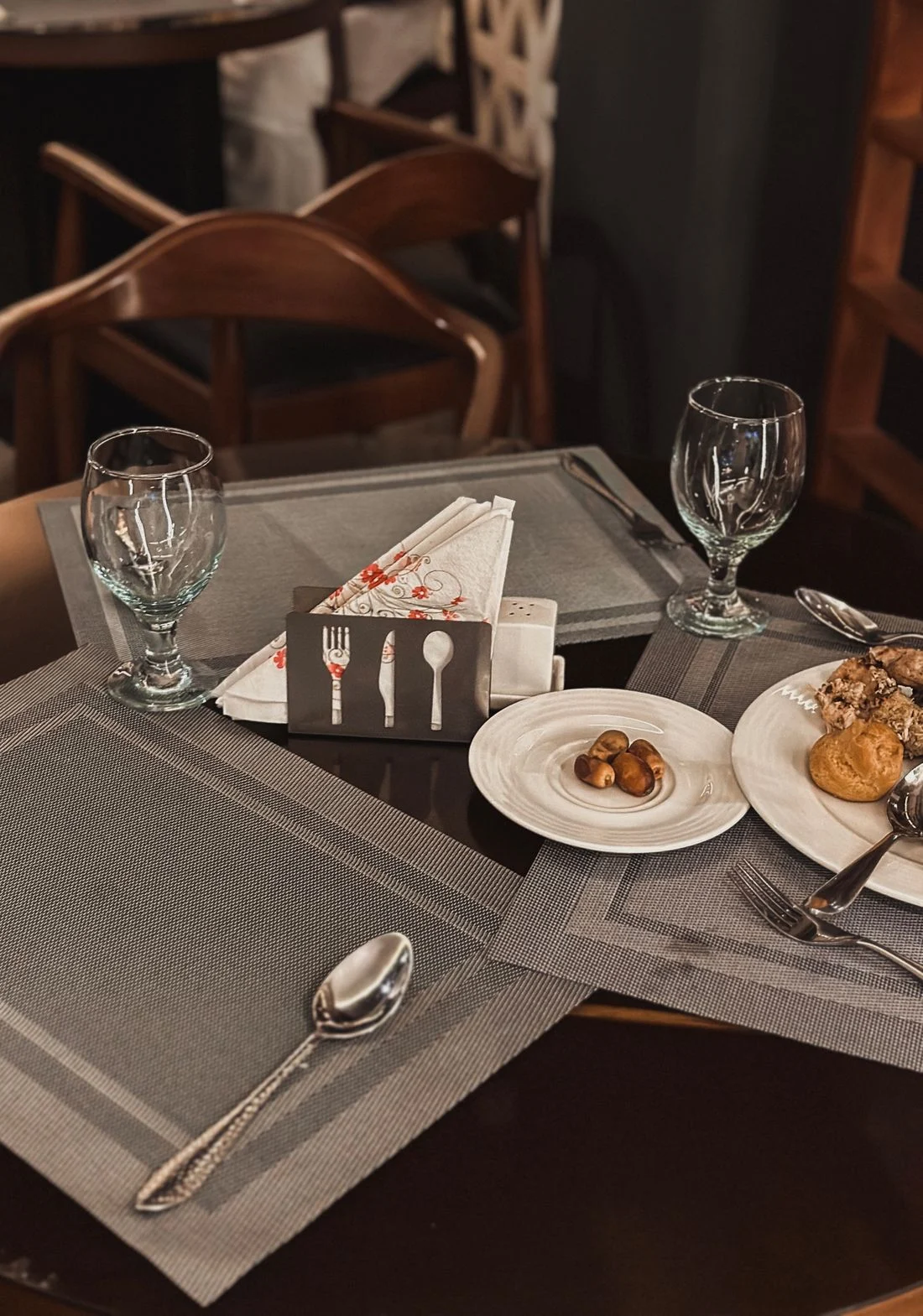
On a round table, rectangular mats can collide near the center. A different shape may follow the tabletop more comfortably, but test it rather than assuming round mats always fit round tables. The diameter of the plate and the number of seats change the result.
Compare cleaning with texture
A textured woven mat may add warmth but can catch crumbs in its surface. A smooth wipeable mat may be easier to clean, provided its care instructions suit the way you use it. Fabric mats can join the laundry, but check whether they need reshaping or ironing to lie flat.
Do not assume a placemat is a trivet. Heat resistance depends on the product, and hot cookware may need a separate protective item approved for that use. Also follow the table manufacturer's guidance about materials placed on its finish, particularly if moisture can become trapped beneath them.
Keep the setting stable
Choose a mat that lies flat and does not slide excessively on your tabletop. A raised decorative edge should not tilt the plate or catch a glass base. Test the setting with ordinary movements, such as pulling a bowl closer and resting utensils beside it.
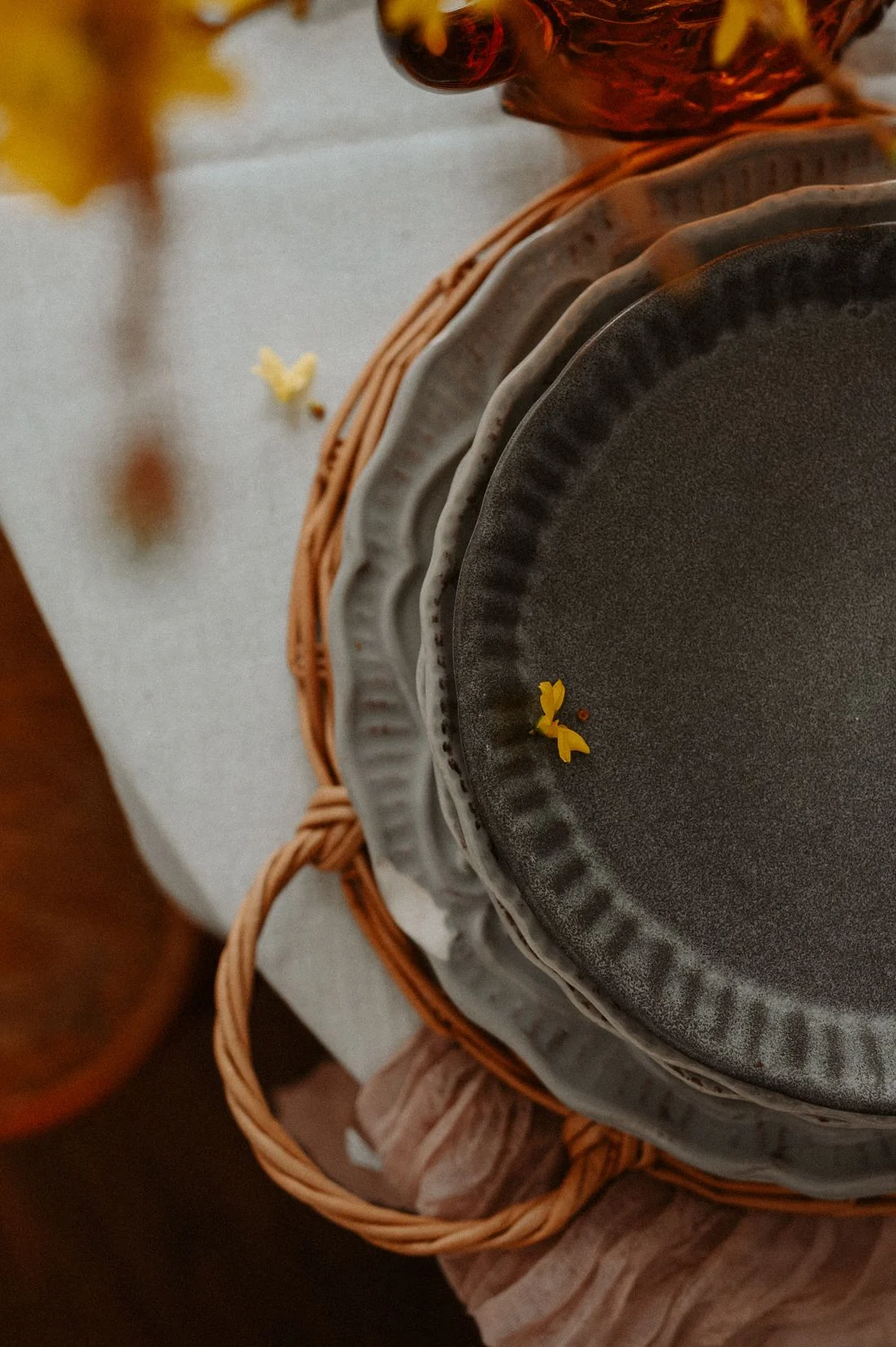
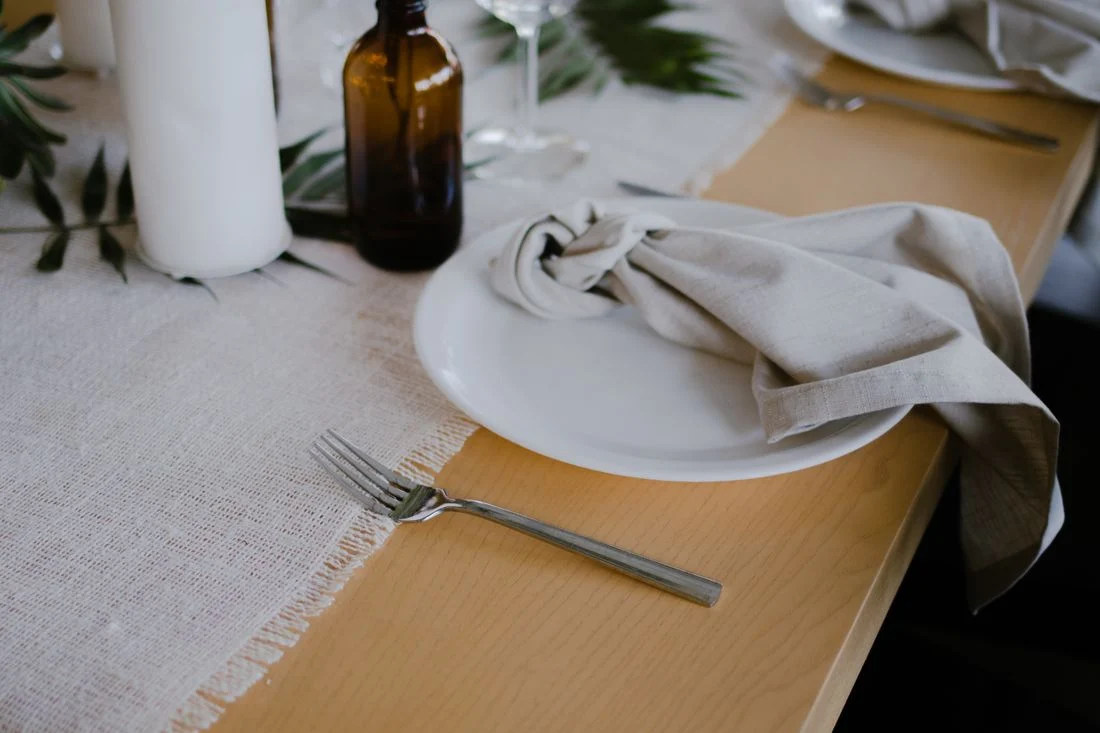
Placemats can provide a quiet background for patterned plates or add color to simple dinnerware. They do not have to match a table runner, and using both can be unnecessary on a compact table. Let one element do most of the visual work.
Store the mats in a way that preserves their shape according to the maker's guidance. If a mat must be flattened for hours before every meal, it is unlikely to become an everyday favorite. Fit, stability, and cleanup are what make the decorative choice useful.