A room used by guests a few weekends a year can still be useful during the months between visits. The challenge is to give its second purpose a defined area rather than turning the bed into overflow storage. Choose an activity that can coexist with a ready sleeping space or be put away without a major move.
Set a limit on the second job
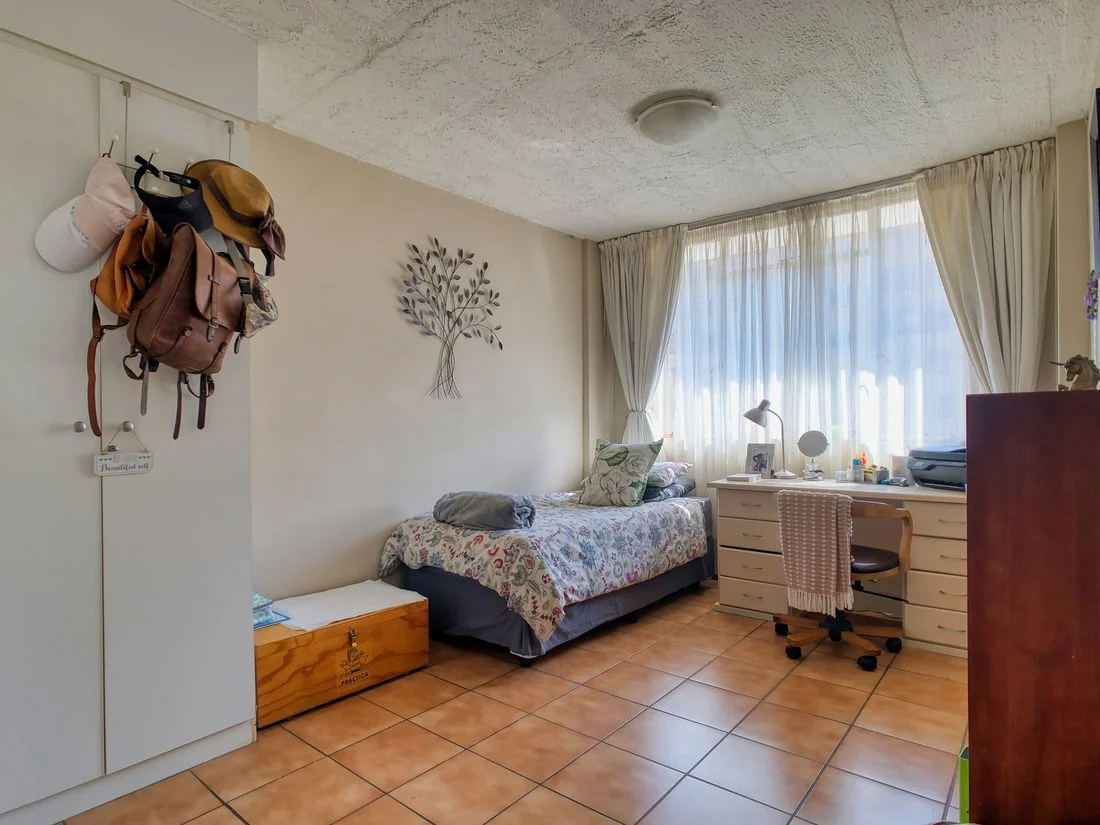
A writing desk, reading corner, or modest hobby station can fit beside the bed when the room has enough space. Large equipment or expanding collections may need a different room. Measure the activity while it is in use, including a pulled-out chair, open drawers, and any materials spread across the surface.
Keep the guest's route to the door, window, and sleeping area clear. The room should not require stepping over stored boxes or moving a workstation to reach the bed. If a daybed or convertible piece is part of the plan, test its full sleeping configuration before filling the surrounding space.
Reserve a little guest territory
Leave a usable bedside surface and somewhere for a bag. A small section of hanging space or an empty drawer can be enough, but it must actually be empty when guests arrive. The desk may double as a place to set personal items if the work materials have a separate storage destination.
Avoid putting delicate or private work papers in the same drawer offered to visitors. Closed storage for the room's everyday purpose helps make the transition clearer and more comfortable for everyone.
Make the changeover specific
Write a short reset sequence for yourself: put equipment away, clear the guest surface, prepare bedding, and check the light. If that list requires moving heavy furniture or carrying many boxes elsewhere, the second use has grown beyond the room's capacity.
After a visit, restore only what you genuinely use. A spare room can become a holding area for things awaiting decisions because its ordinary purpose is vague. Give each piece a reason to remain.
The room does not need to look like a hotel between visits. It needs a reliable sleeping setup and a manageable transition. When those are secure, a desk or favorite chair can make it part of daily life rather than a room kept untouched for hypothetical guests.