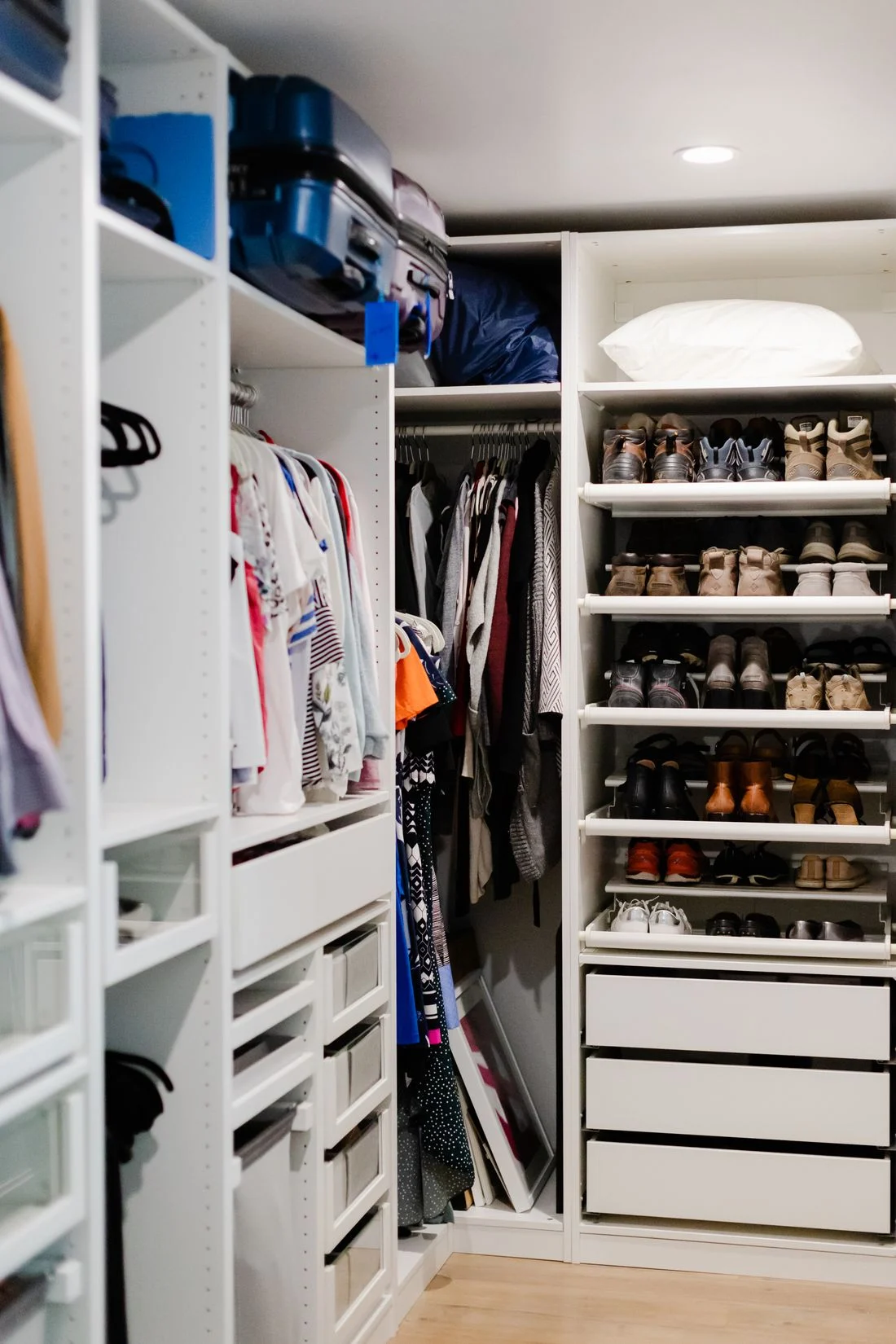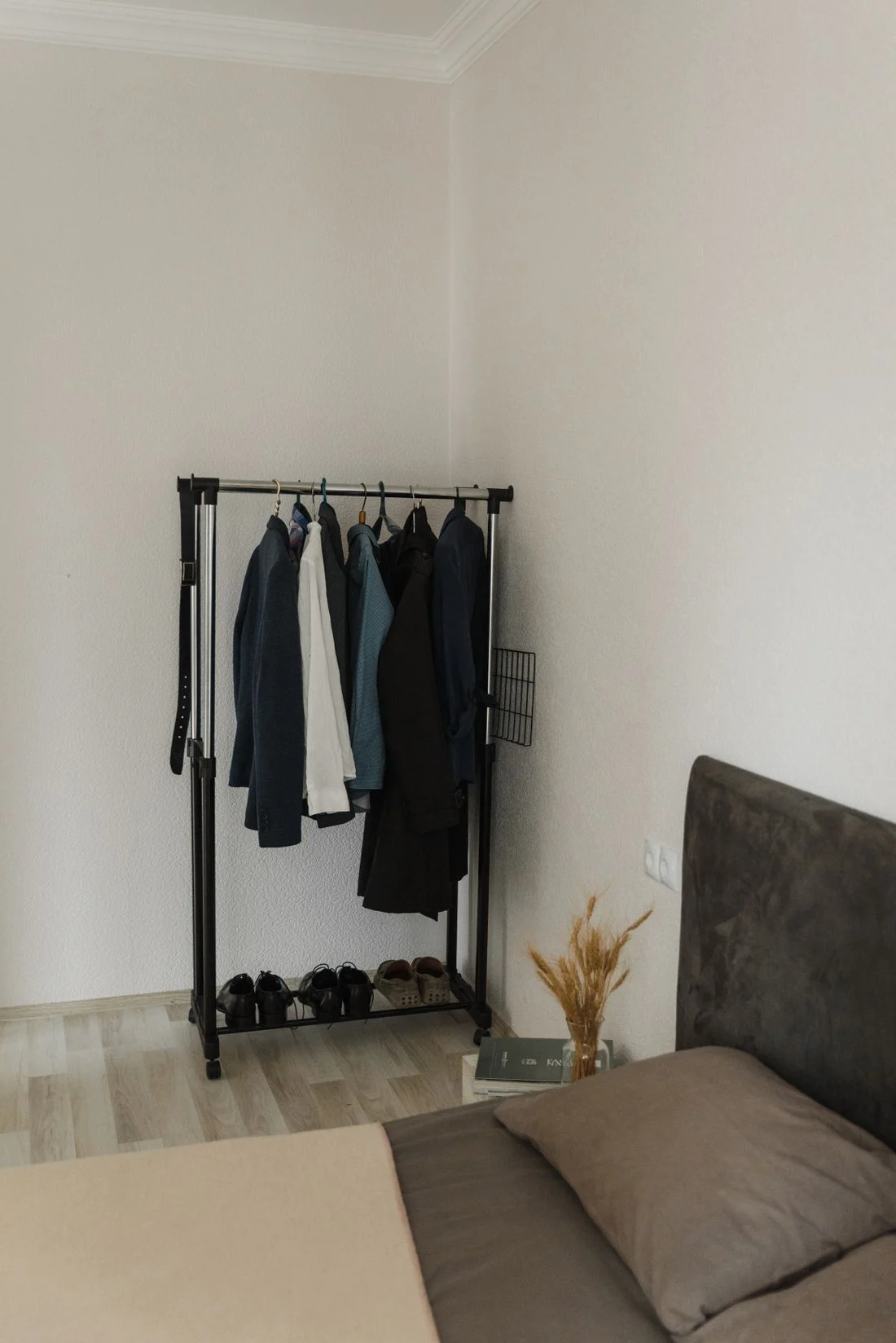
Open shelves are quick to scan. Closed boxes hide visual clutter and protect contents from ordinary room dust. Neither is automatically better storage. The choice depends on whether seeing the object helps you use it, whether the contents stay reasonably orderly, and how many steps you will tolerate when putting things away.
An attractive basket can be helpful for loose accessories, yet frustrating for a book you want to identify by its spine. A visible row of bowls can be convenient in the kitchen, yet an exposed collection of cables can make a living area feel busy. Let each category have its own answer.
Count the handling steps
To retrieve something from an open shelf, you usually reach and lift. A lidded box adds opening and closing, and a stacked box may require moving another container first. Those extra steps are reasonable for seasonal decorations but inconvenient for the charger you use twice a day.
Try open bins for categories that need containment without a lid. They can hold gloves, small craft supplies, or folded cloths while remaining easy to use. Choose a depth that does not bury the smallest items beneath everything else. A removable divider can be useful when two categories otherwise mingle.
Decide what needs protection
Some contents need more than visual concealment. Fragile or sensitive items may require specific storage materials and conditions, while products that must be kept out of children's reach need secure storage. A decorative box with a loose lid is not a safety lock or a preservation enclosure.
Where dust is the main concern, a closed cabinet can protect a whole collection more conveniently than dozens of individual boxes. Check door clearances and interior dimensions before buying. Deep furniture may hide clutter while making it harder to find.
Keep the visible shelves understandable
Open storage works best when categories have clear boundaries. A shelf of books and a single basket of remotes is easy to read; a shelf with unrelated items tucked into every gap is not. Leave a little clear space so a new object can be put away without rearranging the entire display.
Closed boxes also need readable labels. Put the label on the side visible in storage, and use a name that describes the contents rather than the room where the box happened to originate. Spare cables is more useful than living room miscellaneous.
Test a mixed arrangement
Before replacing furniture, try moving one frequently used category onto an open shelf and one visually busy category into a box. Live with the difference for a week. Notice whether objects return to their places without prompting.
The most effective combination often leaves useful shapes visible and contains the small loose pieces around them. Storage should support the room's work and appearance together, with neither forcing a complicated routine on the other.