The first few minutes in a guest bedroom reveal its usefulness. A visitor arrives carrying a bag, looks for a place to set it down, and begins working out where things belong. A beautifully made bed helps, but an empty surface and an obvious light switch can matter just as much.
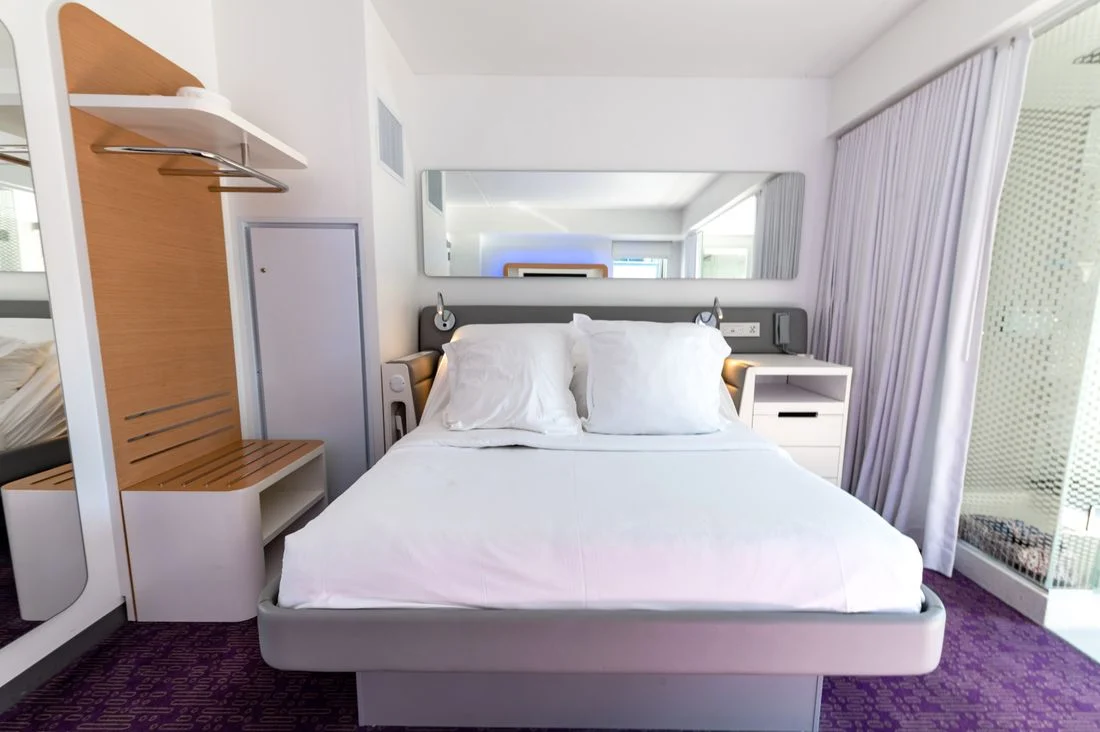
Walk through that arrival before adding decorative extras. Open the door fully, carry a bag into the room, and find a place to unpack without putting everything on the pillows. A stable luggage rack intended for the load, a cleared bench, or a clean patch of floor may each work, depending on the room.
Leave genuinely available space
Clear a few appropriate hangers and a section of the closet if visitors will need them. Tell guests which space is theirs. A wardrobe filled with the household's belongings can look available from outside while offering no usable storage when opened.
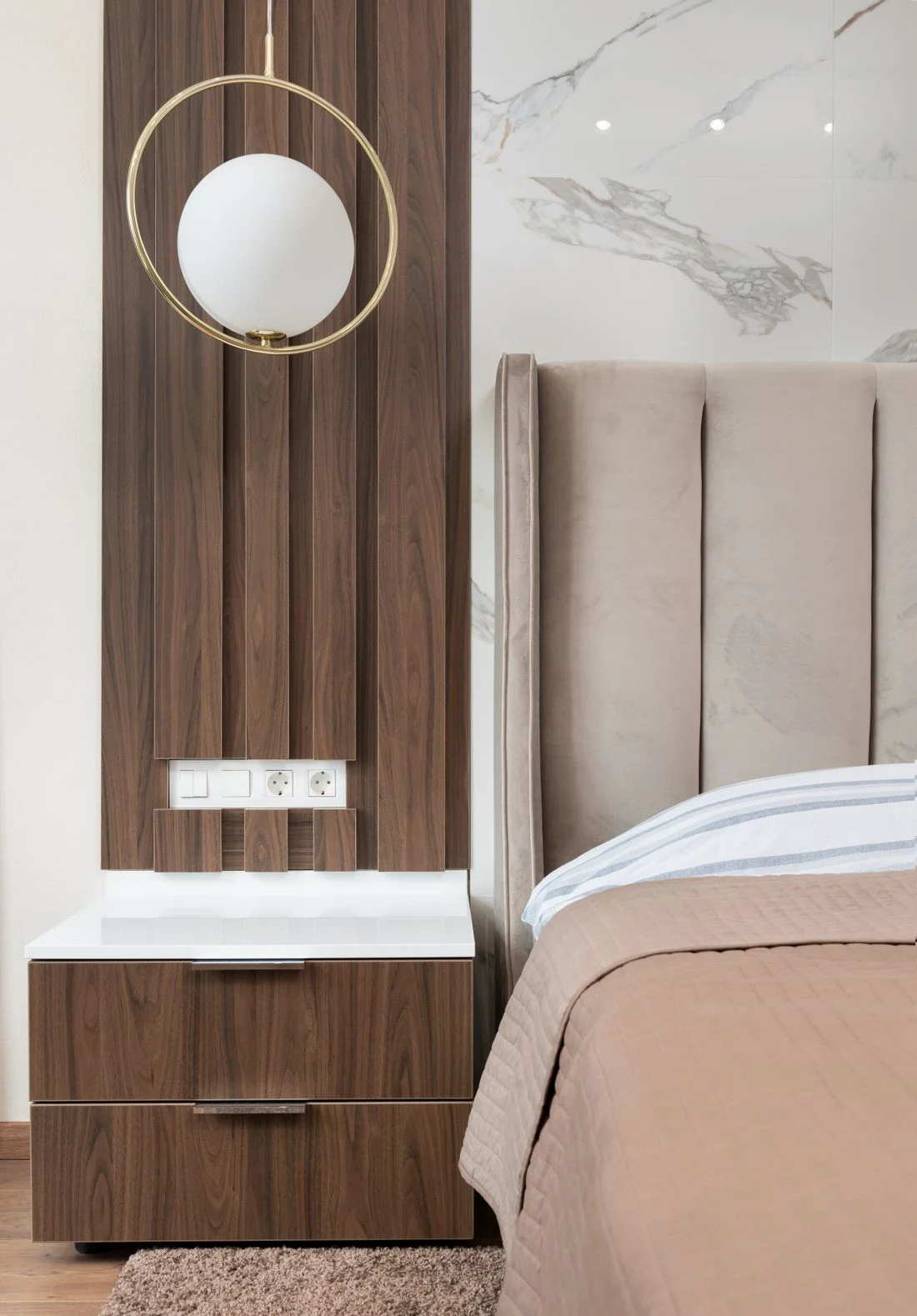
Provide a bedside surface that can hold glasses, a phone, and a drink without rearranging fragile objects. If power is conveniently available, point it out. Keep cords and charging equipment in good condition and used according to their instructions; do not create a cable route across the path from the bed to the door.
Explain the unfamiliar details
Show the visitor how to operate the lamp, blinds, and any room controls they are likely to use. If a switch affects an outlet, say so. Small explanations are often more helpful than a long printed welcome sheet that has to be studied at bedtime.
Make an extra blanket easy to find, with enough space to set it aside if it is not wanted. Let the guest know where clean towels are and where used ones should go. These arrangements can be simple and do not require a hotel-style collection of miniature toiletries.
Check the room at bedtime
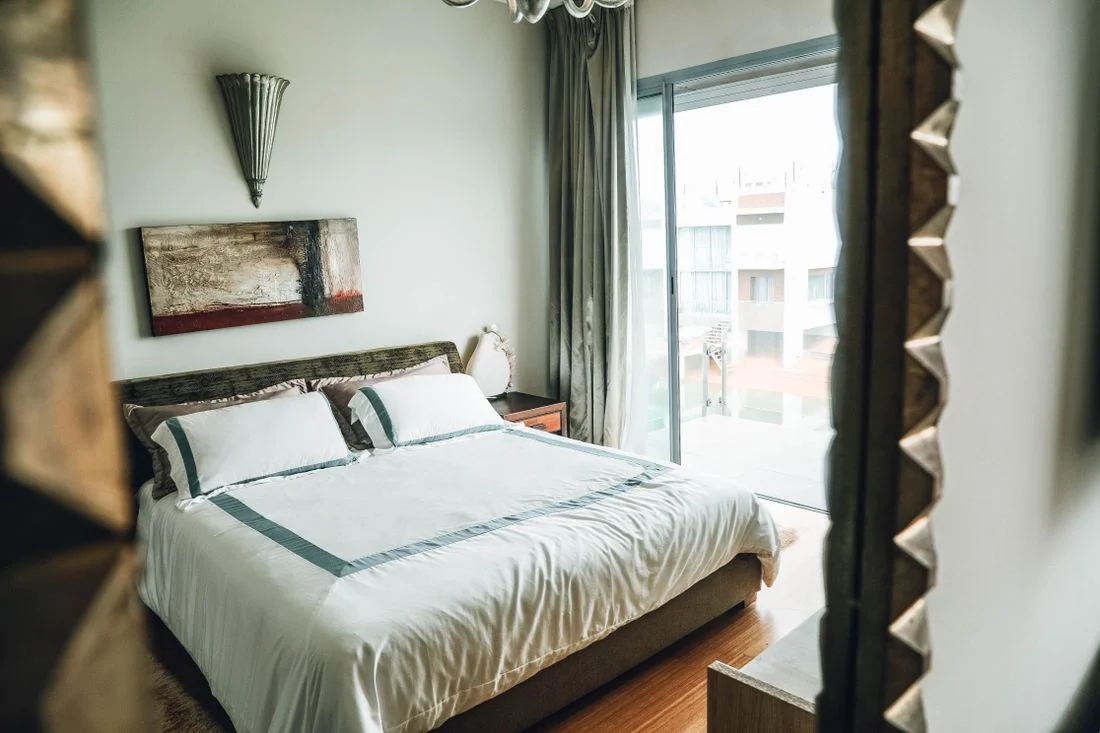
Close the curtains or blinds and look for practical gaps in privacy. Switch off the main light and check that the bedside lamp can be reached comfortably. Keep the route to the door clear of bags and furniture, and explain how to find the bathroom without an unnecessary search.
Ask about preferences when it is useful, without promising that the room will suit every need. A visitor may appreciate a different pillow, less fragrance, or a place to work briefly. Leaving room for those adjustments is more welcoming than filling every surface before they arrive.