The room that feels bright and easy at lunchtime can turn flat after sunset. One ceiling light reaches everything at once, including places where you do not need much light, while the chair you read in may still be shadowed. Adding more brightness everywhere is rarely the most useful first move.
Spend an evening noticing what feels wrong. Is the lamp bulb visible from the sofa? Does the television reflect a bright shade? Are you leaning toward the page of a book? Each observation suggests a different change. A softer atmosphere and a useful reading light can coexist, but they may need separate lamps.
Put light beside the activity
Try a shaded table lamp near a seat before buying several matching fixtures. Check the light from a seated position, not just while standing beside the table. The bottom of the shade should hide the harshest view of the bulb from the person using that seat, while still allowing useful light onto the nearby surface.
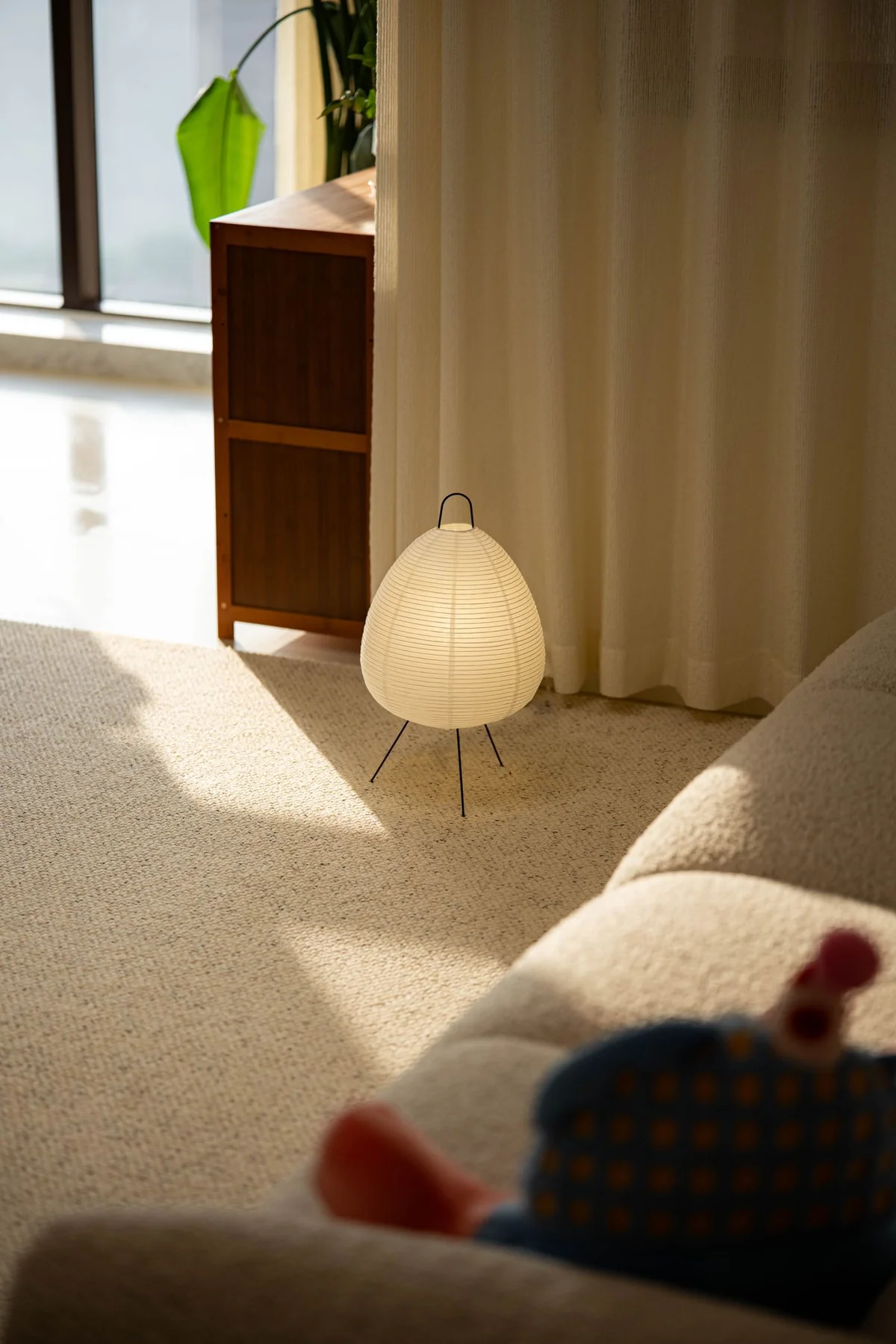
A floor lamp is helpful when there is no table, but include its base in the layout. It should not sit where feet land or force a cord across the walking route. A decorative low lamp can add a glow near a wall without serving as a reading lamp. Choose it for that limited role rather than expecting every attractive light to perform every task.
Read the bulb information
For a replacement bulb, compare lumens for brightness rather than treating wattage as a brightness rating. Check the base, shape, and the fixture manufacturer's limits. If you want to dim an LED bulb, confirm that both the bulb and the control are compatible; a dimmer is not automatically suitable for every LED. The Department of Energy's lighting guidance explains these label checks.
Color appearance is another separate choice. Start with a warm-looking bulb if you want an evening glow, then judge it beside the wall paint and furnishings you actually own. Two lamps visible together are easier to assess when their bulbs have a similar color appearance. You can still use a more focused light where a particular activity needs it.
Let the room help
A pale wall near a shaded lamp can make its light feel more spread out, while a dark corner may absorb much of that effect. Move a portable lamp a short distance and compare the result before changing the bulb again. Avoid aiming an exposed bright source into someone's sightline or directly at a glossy screen.
Try the arrangement on an ordinary evening, with the curtains in their usual position. Keep enough light to move around comfortably and turn off lights that are no longer needed. If the remaining problem requires new wiring or a fixture change, use a qualified professional. For a room that only needs a gentler evening setting, thoughtful placement and a compatible bulb may be enough.