A mirror is a picture that changes whenever you move. From one doorway it may show a window and a favorite chair; from the sofa, the same glass may double a laundry pile. That second view is easy to miss when shopping by frame shape alone. Before measuring for a new mirror, stand where you usually sit and look toward its proposed wall.
Use a small mirror as a scouting tool, held safely at several heights by another person. Photograph the reflected view from the doorway, the main seat, and the passage into the next room. You are looking for a composition you want to see twice, not simply an empty patch to fill.
Choose the reflection first
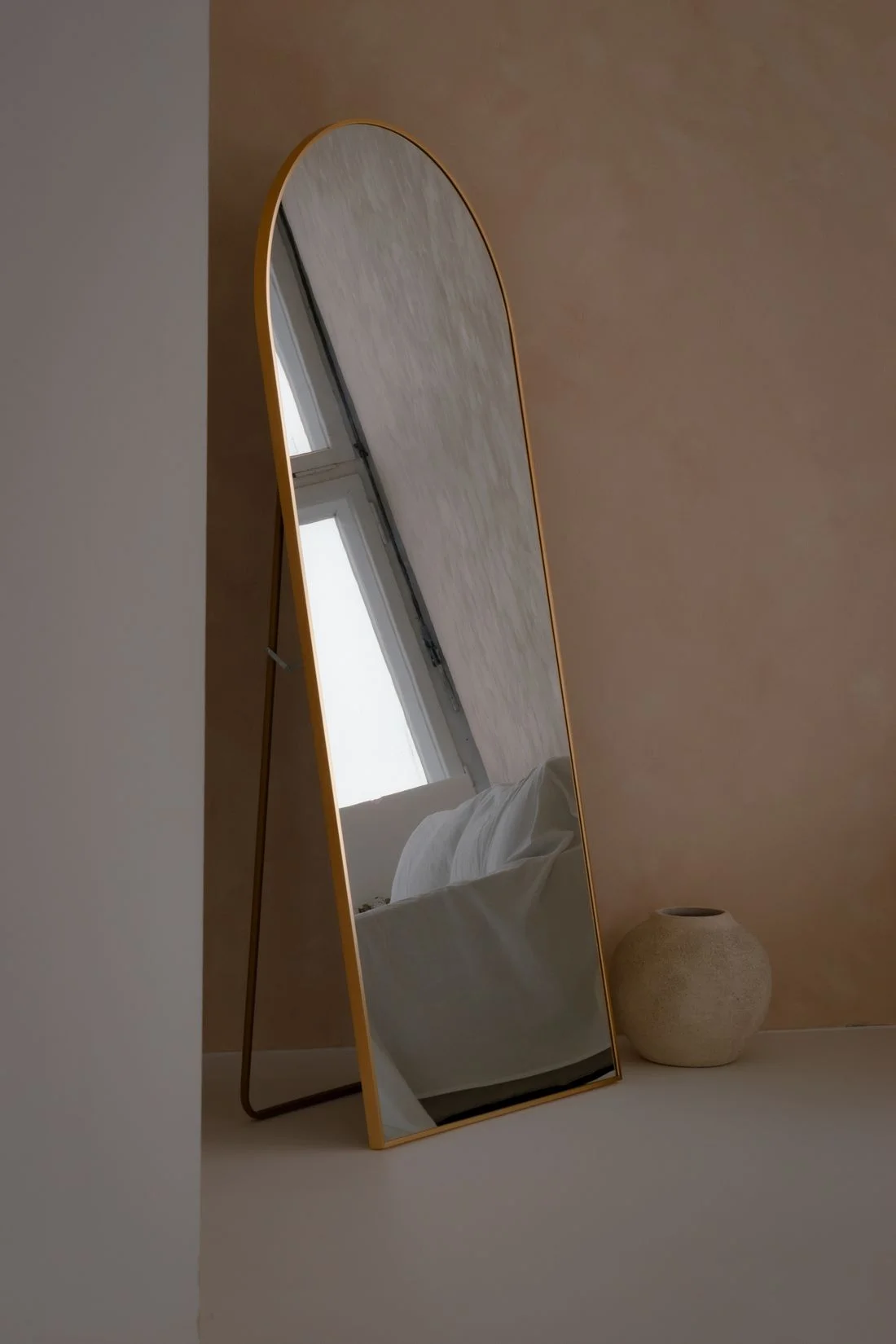
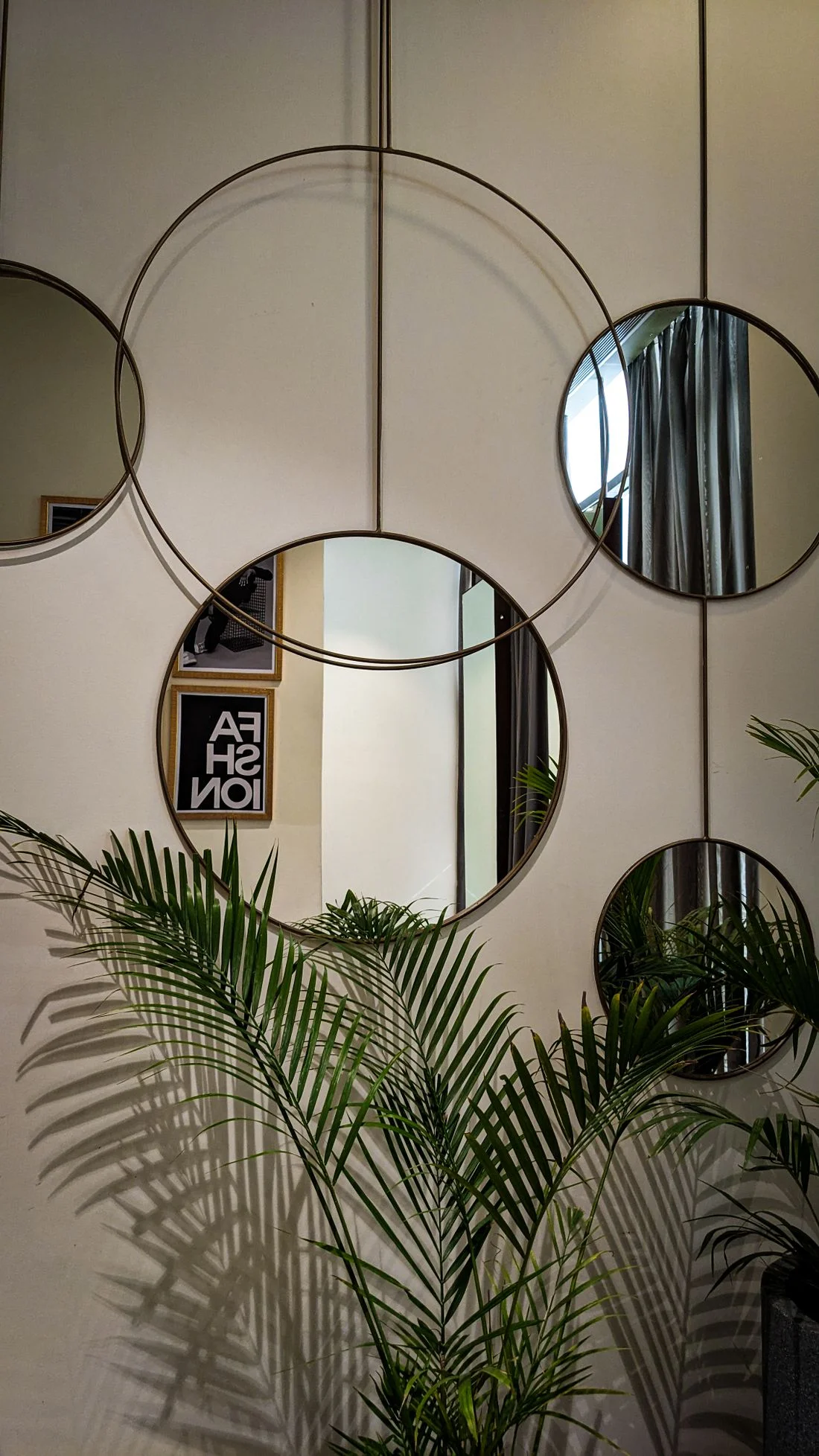
A mirror facing a leafy window can bring that view into another part of a room. Facing a crowded bookcase, it creates a busier effect. Neither is automatically wrong: a densely furnished room might welcome the extra layers, while a quiet room benefits from a simpler reflection. Consider the shape of the visible window, furniture, and ceiling together.
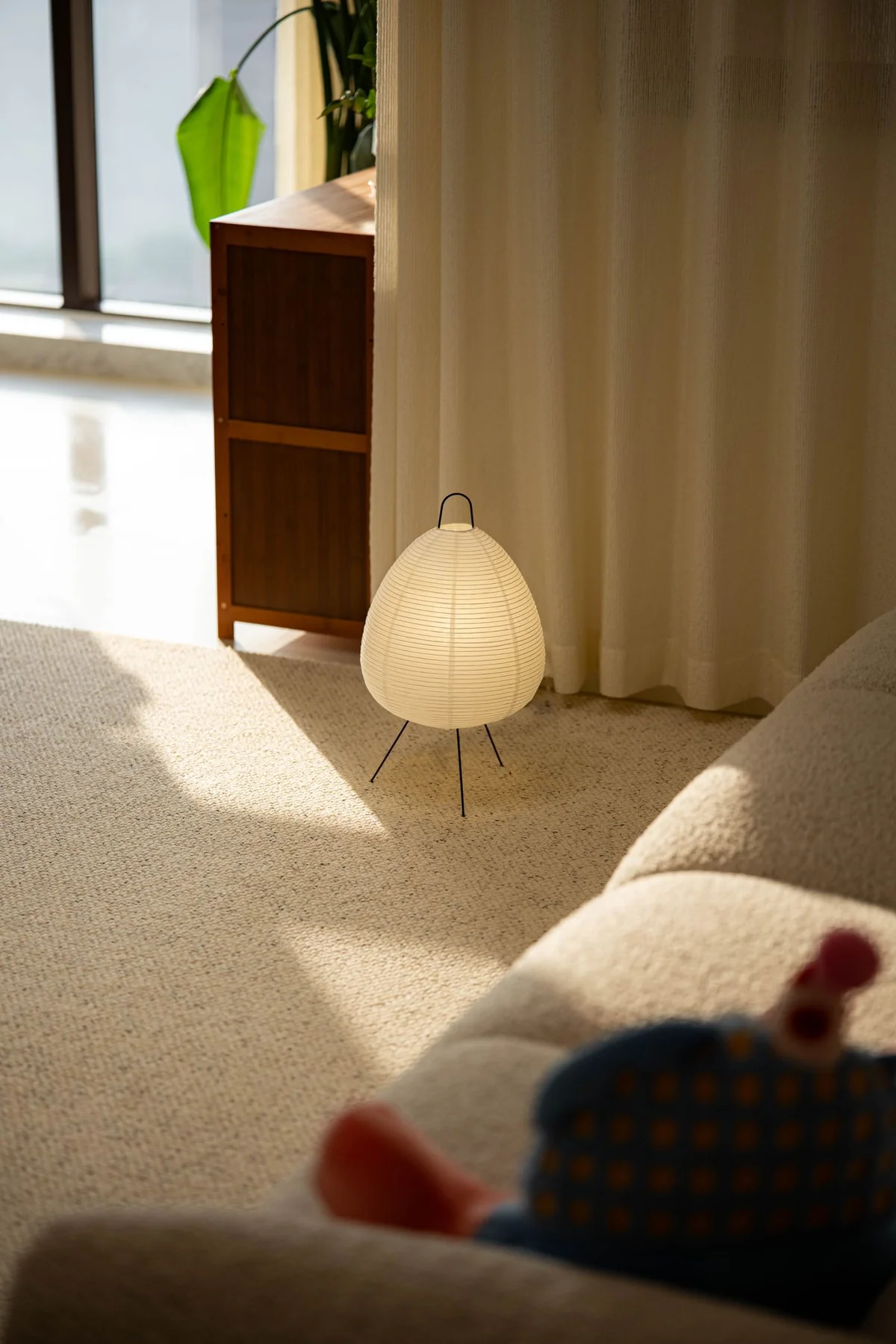
Pay attention to lamps after dark. A bulb that is hidden from your eyes in the room can become conspicuous in the mirror. Sit down with the evening lights on before deciding on the height. Moving the mirror a little sideways may solve the problem more convincingly than changing every lamp.
Make the frame relate to something
Repeat one material already nearby: a dark wood frame can connect to chair legs, while a slim metal edge can echo a table base. Exact matching is unnecessary. What matters is whether the frame feels deliberate at the distance from which you see it.
A thick decorative surround acts like another substantial furnishing. Leave breathing room around it instead of surrounding it with equally ornate objects. A narrow frame allows the reflected scene to do more of the visual work. Tape the outside dimensions on the wall, including the frame, because the advertised measurement may describe the glass alone.
Check the everyday view
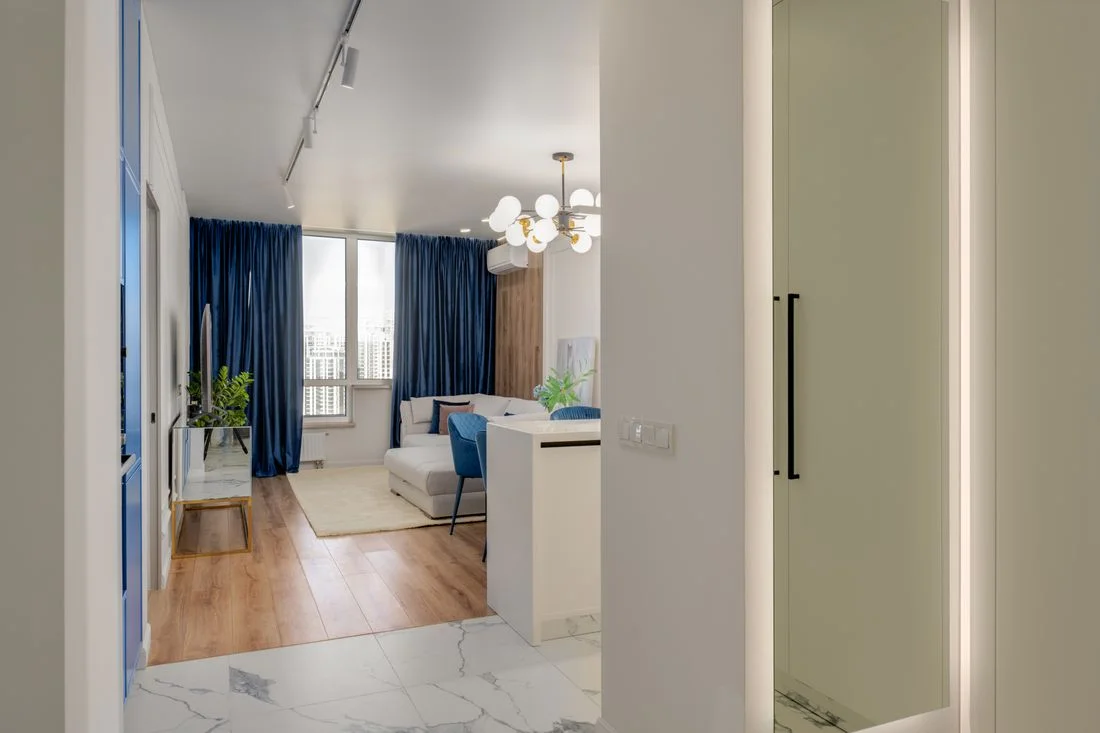
Look at the proposed position when doors are open, curtains are drawn, and the room is being used. A beautiful reflection that only works after rearranging the furniture is not a useful daily improvement. Decide whether privacy matters too: reflection can reveal a desk or adjoining room from an entry that previously concealed it.
Once the location is settled, follow the mirror maker's mounting instructions and use support suitable for its weight and the wall. Large mirrors are not casual picture frames. The most successful placement feels settled because both its physical support and its reflected view have been considered.