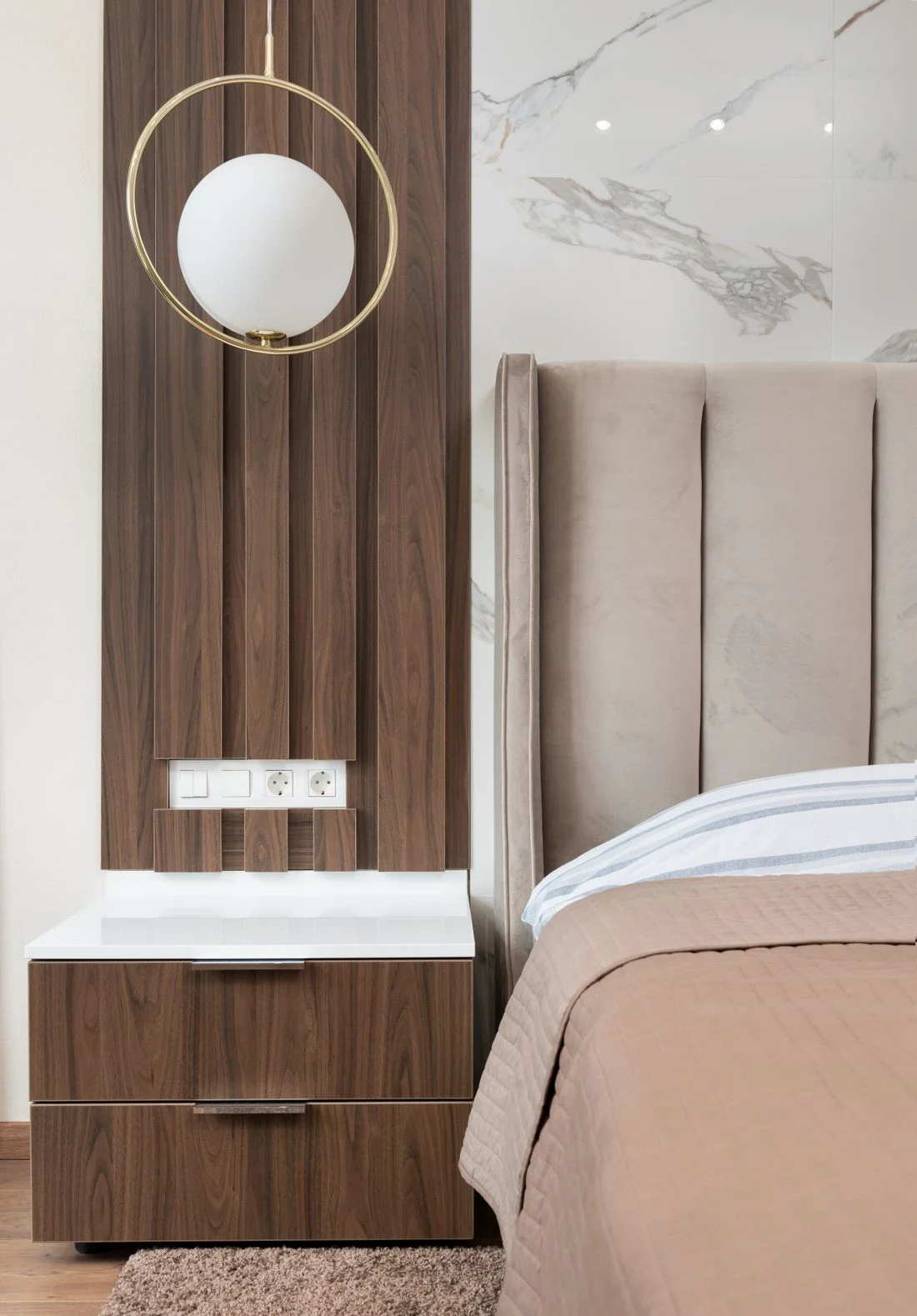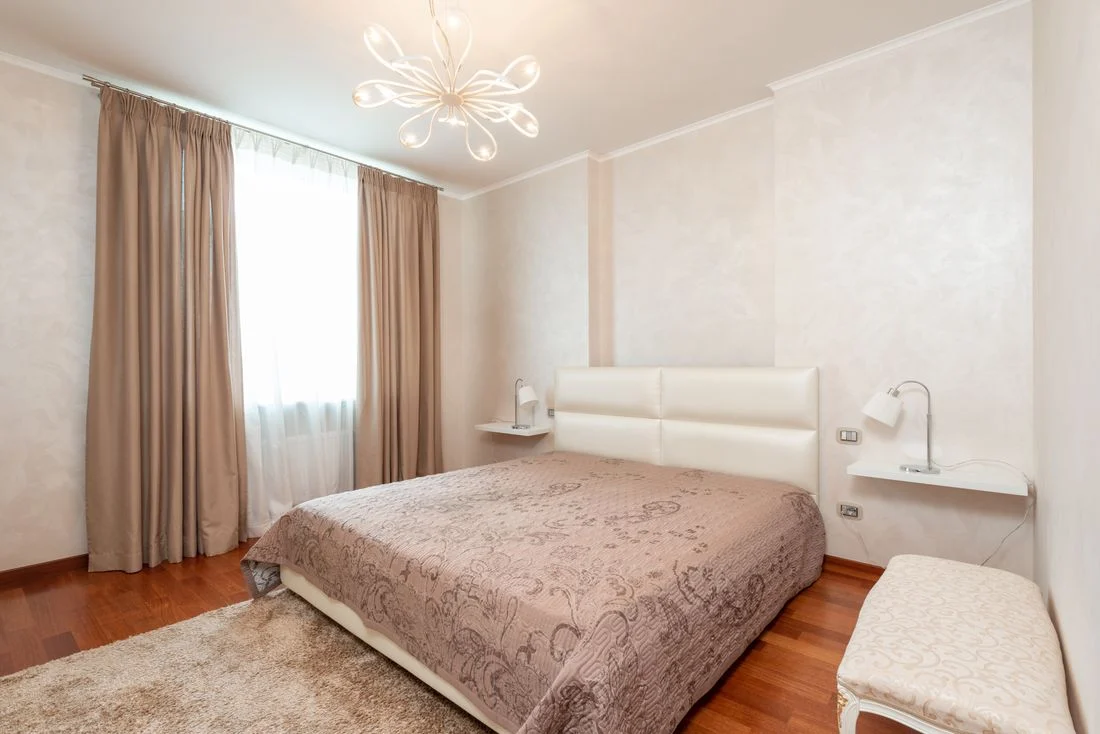
The foot of the bed is often the last piece of open floor in a bedroom. Filling it with a bench can make the room look finished, but it may also remove the space needed to dress or open a closet. Choose the function before choosing the furniture.
Give the piece one main task
A bench can provide a seat for putting on shoes. A storage piece can hold suitable bedding. A small surface might temporarily support a guest's bag. These are useful jobs, but a piece designed for one is not automatically safe or comfortable for all of them.
Check the manufacturer's intended use, weight limit, and operating instructions. A storage chest is not necessarily a seat, and lids require appropriate handling. If a bench is mainly intended to hold decorative pillows at night, consider whether reducing the pillows would be a simpler solution.
Measure with the doors open
Mark the furniture's full footprint, then open the wardrobe and bedroom doors. Walk between the new piece and the opposite wall while carrying a laundry basket. Include any handles, legs, or curved ends that project beyond the main body.
Compare the height with the bed. A low bench may sit quietly below the bedding, while a taller piece can interrupt the bed's outline. Neither is inherently wrong, but a tall solid chest can feel more substantial than its floor dimensions suggest.
Keep its surface available
A bench covered in stacked books and ornaments cannot easily serve as a seat. Leave enough clear area for its main purpose and give decorative objects another home. If clothing accumulates there every day, check whether the closet or laundry routine needs a more useful place for those items.
The foot of the bed can also remain open. A rug extending beyond the frame may finish the view without another piece of furniture. Test the room without a bench for a while before adding one because a photograph suggests it belongs. In a modest bedroom, comfortable movement is a meaningful use of space.