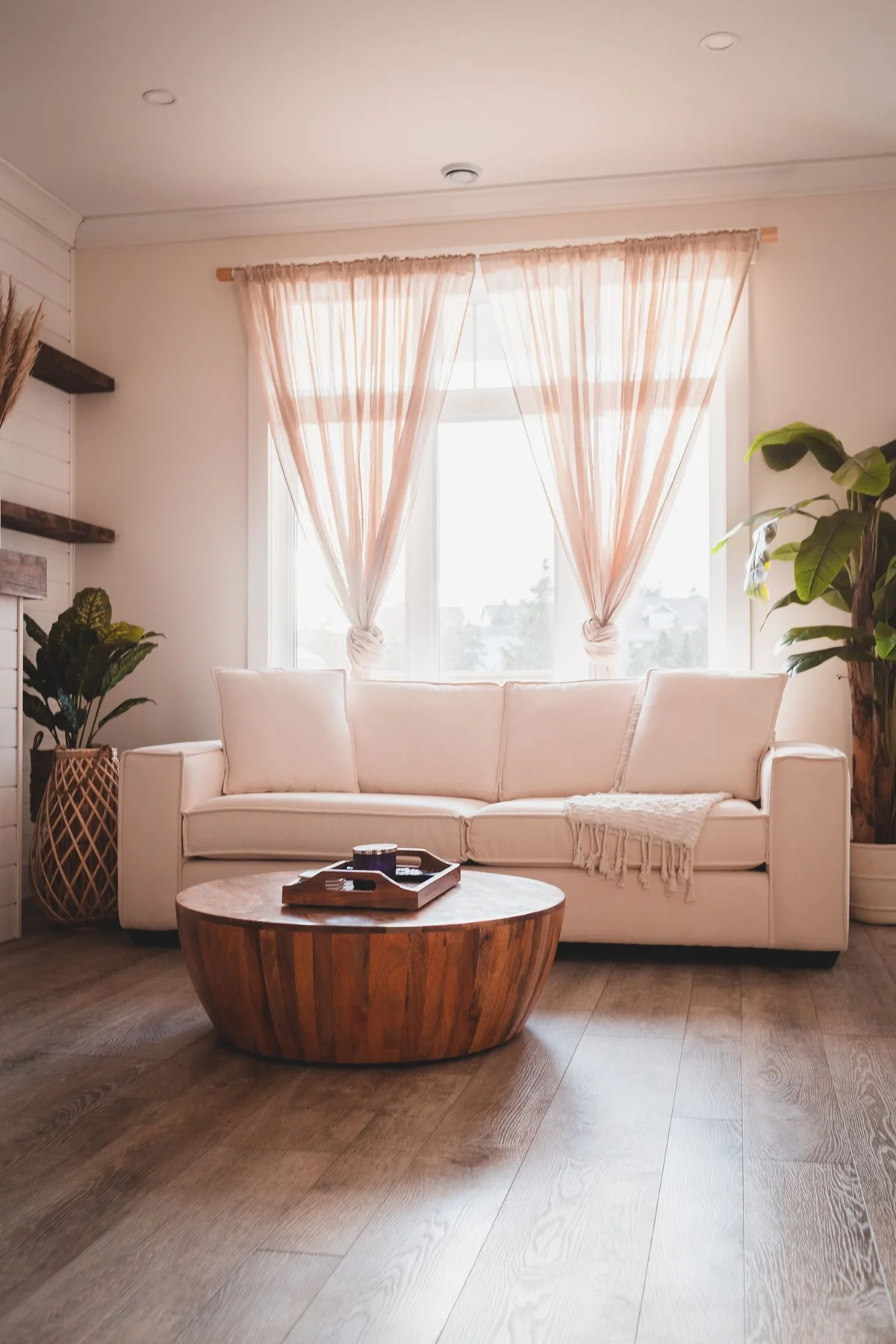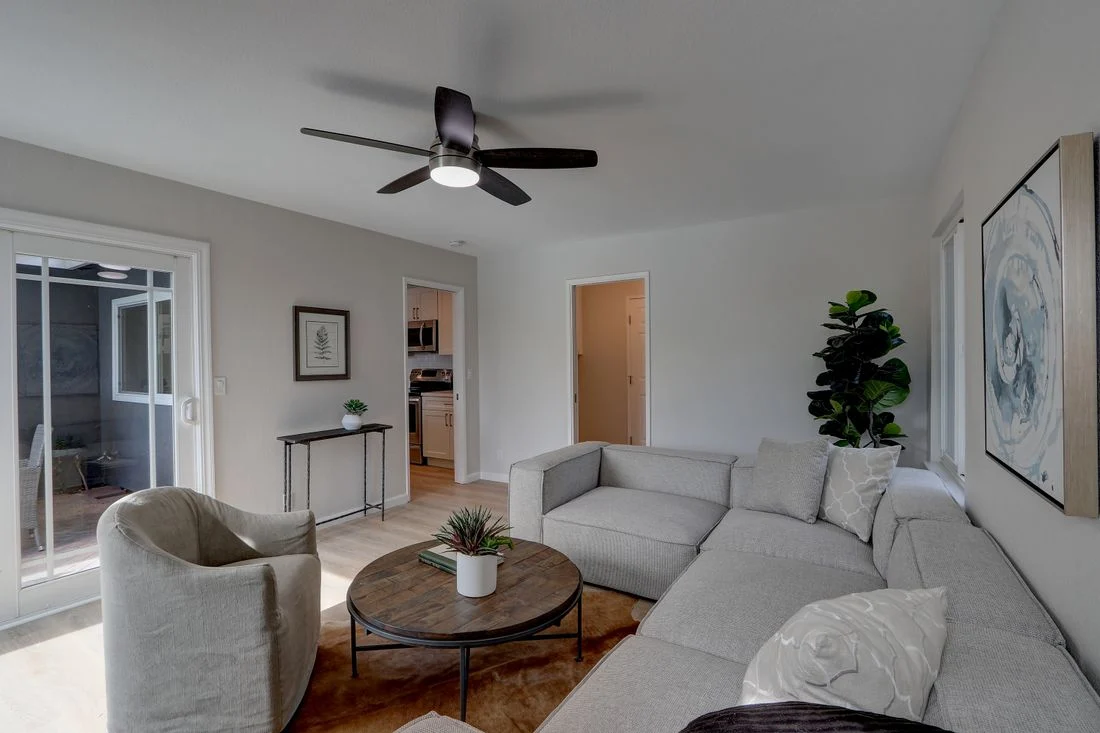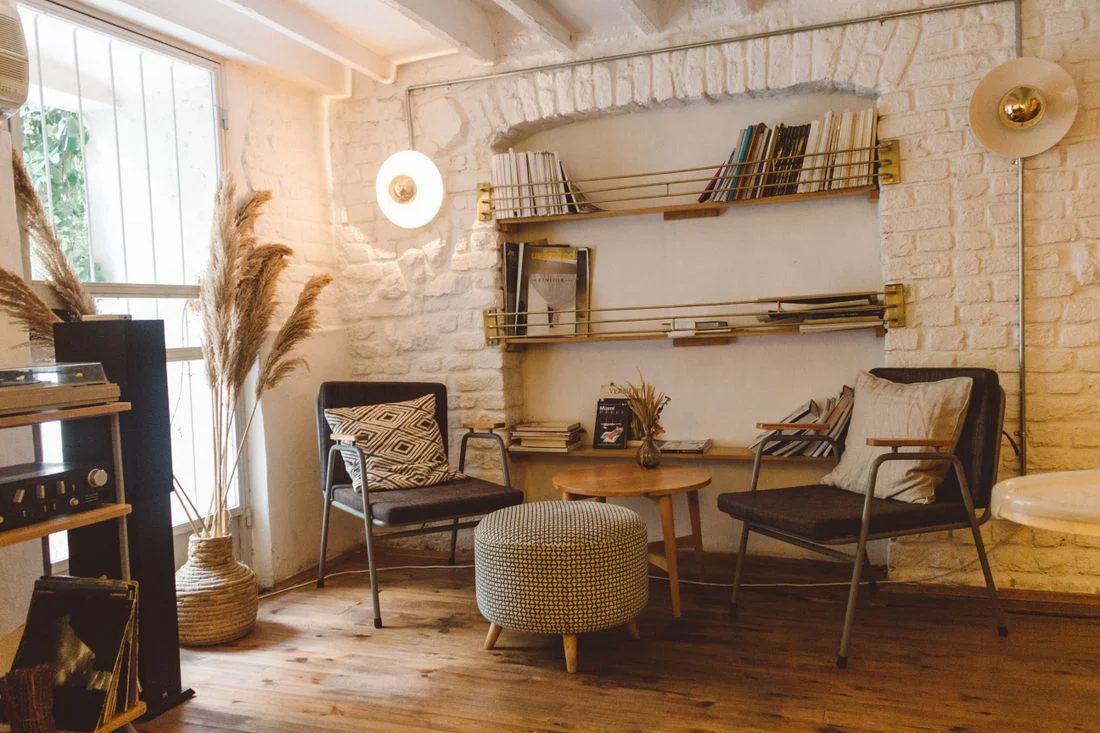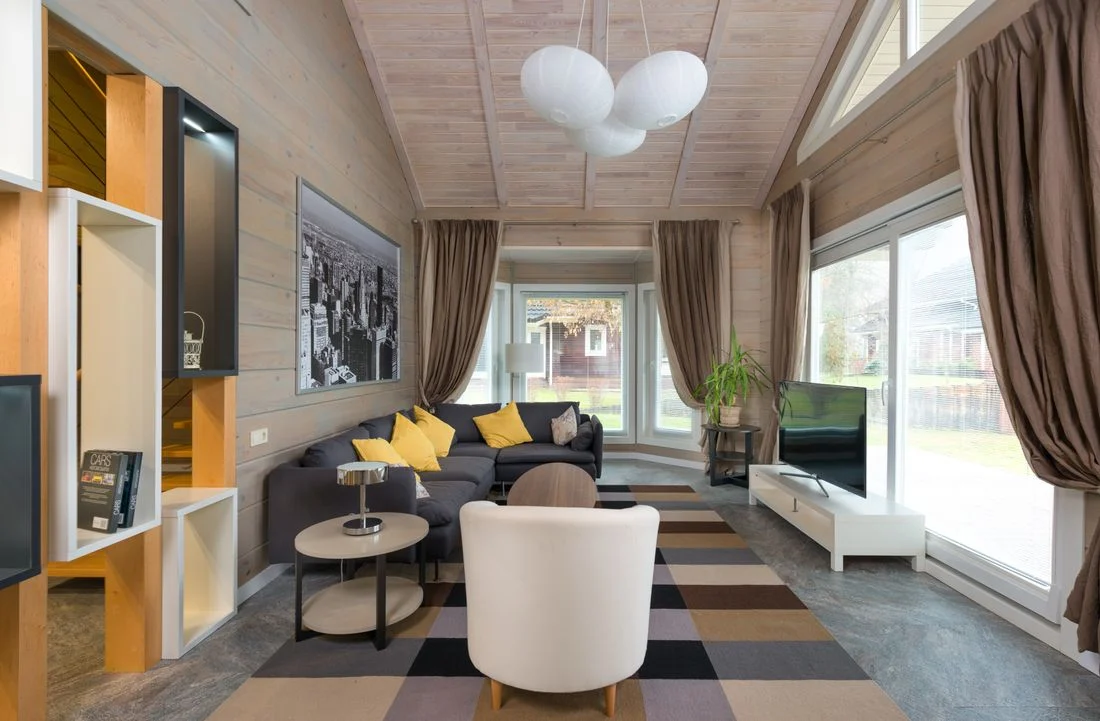
Large windows need more than an attractive panel color. Curtains must open far enough for the view, close far enough for the privacy you want, and hang without interfering with doors, furniture, or heating equipment. Measure the working window area before choosing a fabric from a small sample.
Separate coverage from decoration
Decide whether the curtains will close every evening or mostly frame another window covering. Decorative side panels can be narrower because they are not expected to cover the whole opening. Functional curtains need sufficient width for the chosen heading and the manufacturer's recommended fullness. Buying two panels without checking their combined width can leave a wide window barely covered.
Measure from the intended hardware position, not automatically from the top of the glass. A rod or track above the window changes the required length. Consider the heading style too: rings, grommets, and hooks can position the fabric differently in relation to the hardware.
Plan where the open curtains go
When curtains are open, the fabric still occupies space. If there is room beside the window, extending the hardware can allow more glass to remain visible. If the window nearly fills the wall, accept that part of the glazing may remain covered or choose a different system. Do not assume the same approach works for a wide flat window and a bay.
Check the nearby sofa, side tables, and window handles. Fabric trapped behind a sofa becomes awkward to operate and may sit unevenly. Keep curtains clear of heat sources and follow the relevant equipment and installation instructions. Use appropriate hardware and mounting for the weight of the complete curtain arrangement.
Choose opacity for the actual view
A sheer fabric can soften daylight while offering limited privacy, especially when the room is brighter than outdoors. Test a sample in the evening with the interior lights on if privacy is a priority. A lining or a separate opaque layer may be more useful than simply choosing a darker color.
Consider the view from outside at different angles. A ground-floor living room facing a sidewalk has different needs from an upper-floor room looking toward trees. You may want daytime light filtering and separate evening coverage rather than one fabric attempting both jobs.
Make the length easy to live with
Curtains that rest lightly near the floor are often easier to operate and clean around than fabric deliberately pooled across it. Check the floor at several points, especially in an older room where it may not be level. Order or hem based on the actual measurements rather than one convenient spot.
With large windows, the curtain color occupies a substantial part of the wall when closed. View a generous sample beside the sofa and rug before committing. A quiet fabric can support a busy room; a stronger color can become the main visual feature. The right choice should work at night with the curtains closed as well as in the bright, open-window photograph.