A shell from a trip, a small wooden figure, or an old camera can matter more than a large decorative purchase. The difficulty is scale. On a deep shelf, a little object may vanish; on a crowded table, it may look like something waiting to be put away. A deliberate setting helps it become visible without turning every keepsake into a centerpiece.
Choose a few objects for one location first. They might share a memory, a material, or simply a color that sits well together. The relationship does not need to be obvious to a visitor. It only needs to make sense to you.
Change the background
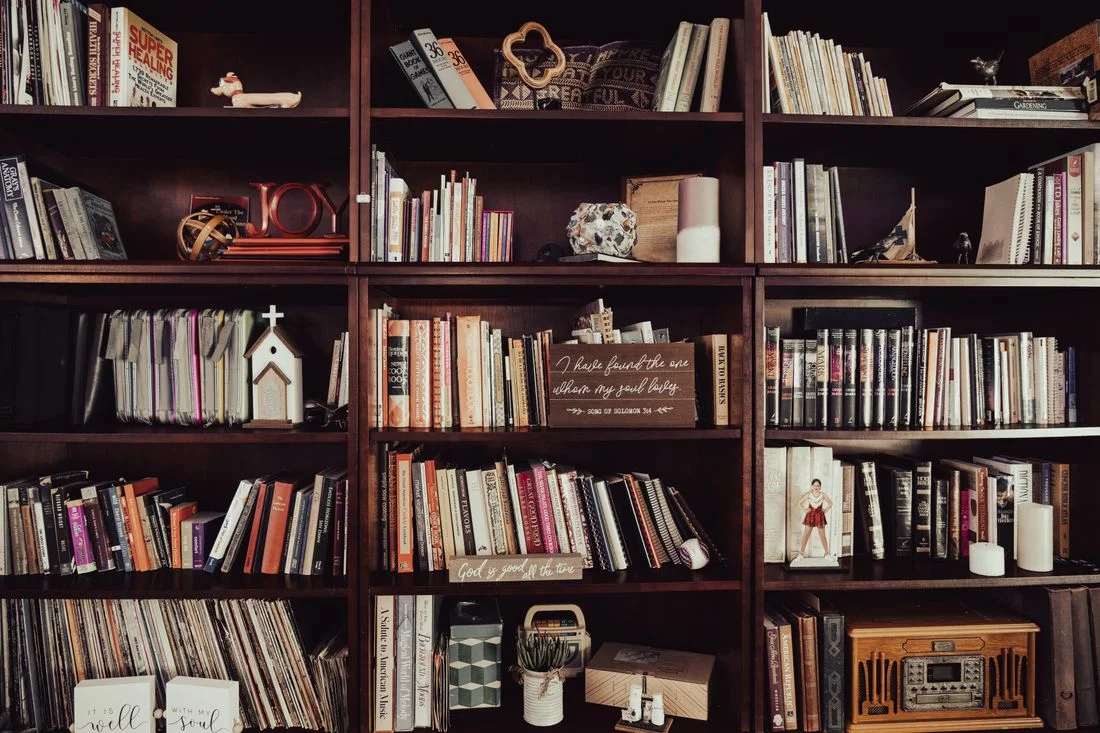
A pale object against a pale wall can disappear. Try it in front of a darker book spine or on a shelf with a contrasting back. A dark object may need the reverse. This is often more effective than adding extra decoration around it.
Bring small pieces toward the front of a shelf, while keeping them safely clear of the edge. Avoid hiding them behind taller objects unless that partial view is deliberate. If a keepsake has details worth seeing, put it near a place where someone naturally pauses rather than high above a doorway.
Group without building an obstacle
A shallow tray or small box can give several pieces a shared boundary. Use one only if the objects still have room to be seen individually. Filling a tray to its rim with unrelated little things simply concentrates the clutter.
Leave a clear patch beside the group. A small display often gains more presence from adjacent empty space than from a taller pedestal. If you use books to raise an object, choose volumes that will not need frequent removal and protect their covers from rough bases.
Rotate what does not fit
You do not have to display every meaningful object at once. Keep a protected storage place for the rest and change the arrangement occasionally. Photograph the group before rotating it if you want to remember a combination that worked.
Dusting is a useful final test. If moving the objects feels precarious or excessively time-consuming, simplify the group. The purpose is to enjoy these belongings in ordinary life, not to create a fragile arrangement that nobody wants to touch.