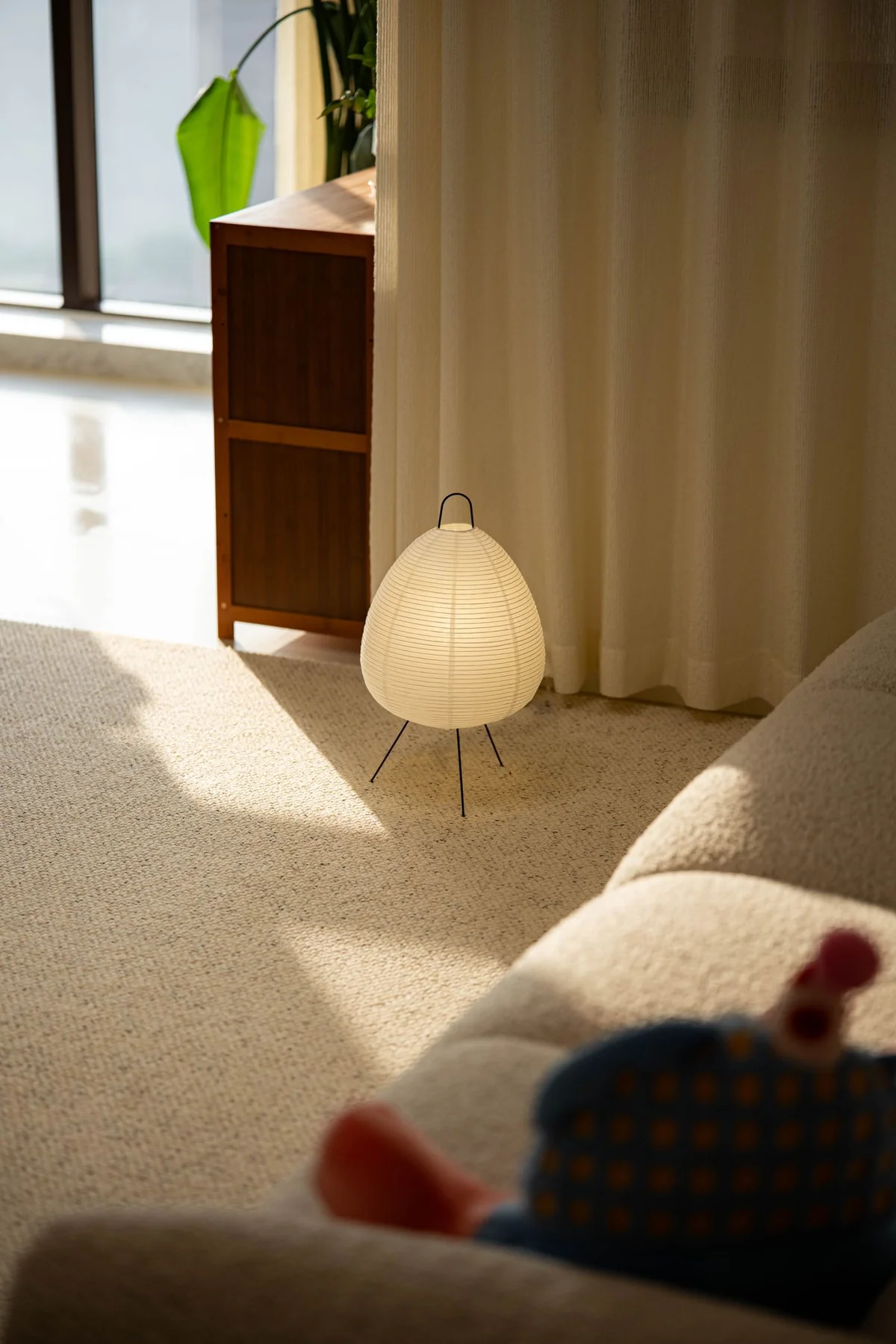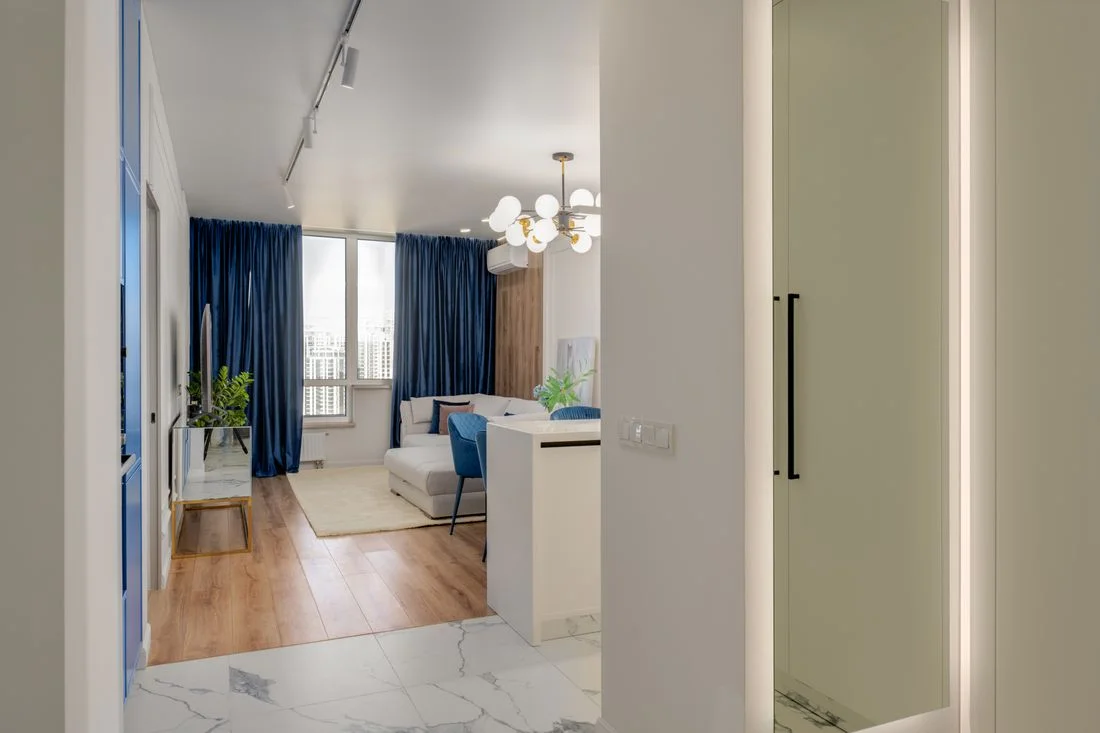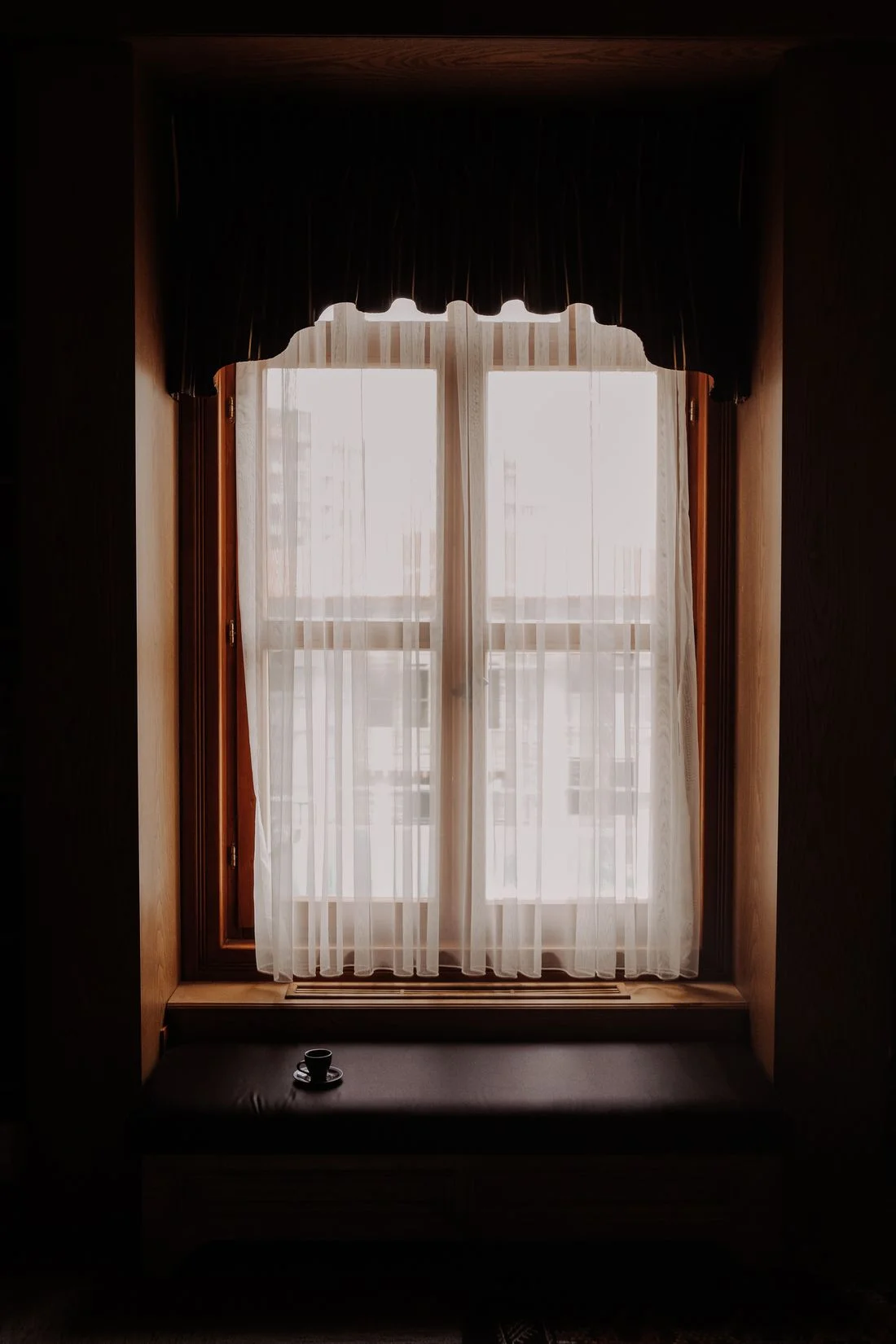
Sheer curtains can soften the outline of a window and make strong daylight feel less abrupt. They also give a room a finished edge when heavier curtains are open. Their delicate appearance, however, should not be confused with reliable privacy under every lighting condition.
During the day, a brighter exterior can make an interior harder to see through some sheers. After dark, with the room lit and the outdoors dark, the relationship changes. Test the actual fabric from outside or from the relevant neighboring viewpoint rather than assuming that the daytime result will last through the evening.
Decide what the window must do
Write down the window's real jobs. A living-room window might need softened daylight, an open view, and evening privacy. A ground-floor bedroom may need stronger coverage throughout the day. Sheers can contribute to those arrangements, but they may need a separate blind or opaque curtain to complete them.
If you layer treatments, check the hardware depth and operating clearance. The sheer should move without catching the heavier panel, and neither should interfere with a window handle. Consider which layer you will touch most often; the convenient daily action matters more than the most elaborate arrangement.
Look at weave and color in place
Hold the fabric against the window rather than against a wall. A very open weave may preserve more of the outside view, while a denser one obscures more detail. Pale cream can make the light feel different from a crisp white, particularly beside warm wall paint.
Allow for folds when judging the effect. A sample held flat may appear much more transparent than the same fabric gathered across a window. Conversely, buying extra fullness does not automatically turn a sheer into an opaque privacy layer.
Keep the hem manageable
In a frequently used room, a hem that clears the floor is easier to keep away from shoes, pets, and cleaning tools than a pooled arrangement. Confirm the finished length from the actual hanging point. Check the care label before assuming a delicate-looking fabric can be machine washed.
Sheers work best when you enjoy the light they create and understand their limits. Keep a second privacy layer where it is needed, then let the sheer perform its own quieter role.